

Dental care is important during pregnancy because changes in your body can affect your mouth. Four in 10 of pregnant women have tooth decay or gum disease from changing hormones. And tooth decay and gum disease put you at higher risk for complications such as low birth weight and preterm delivery. Poor oral health also increases your risk of high blood pressure and preeclampsia, which can lead to major complications and even death. Cravings for sugary foods and drinks, and morning sickness symptoms can also lead to tooth decay.
Pay attention to the following signs of an unhealthy mouth, especially during pregnancy:
- Foul taste
- Bad breath
- Gum disease - red, puffy gums or gums that bleed easily
- Loose teeth
- Tooth pain
To keep your mouth healthy during and after pregnancy:
- Brush twice a day and floss once a day.
- Use toothpaste with fluoride.
- Replace your toothbrush every 3 months or after you have been sick.
- Protect your teeth from acid caused by morning sickness. Rinse your mouth with 1 cup of water mixed with 1 teaspoon baking soda.
- Do not drink alcohol or use tobacco.
- Eat healthy foods:
- Lean meats like turkey, chicken and fish.
- Breads and cereals with whole grains.
- Milk, cheese and yogurt.
- Fruits and vegetables, including beans.
- Foods low in sugar.
- Drink water instead of juice or soda.
Make a Dental Appointment Today
You should visit a dentist at least once during your pregnancy. The dentist will check your teeth for cavities and look for signs of gum disease. They can also safely provide necessary dental care during pregnancy.
DentaQuest members can use our Find a Dentist tool to find a dental home for you and your child. Make an appointment before your child is one year old. The team at the dental home will keep an eye on possible risks to future health and provide guidance to help your family healthy.
RELATED ARTICLES

Pregnancy
What Smoking Really Does During Pregnancy
You might know that smoking is bad during pregnancy. Here’s what you may not know.

Children's Oral Health
Busy Exam Season for Kids? Keep Oral Health on Track
April and May are busy exam months for many students and their families. Stress, late night studying and sugary snacks and energy drinks can affect your child’s oral health. A few simple habits can help protect their smile during a stressful time.

General Oral Health
The Basics of Dental Implants
While dental implants can replace missing teeth, patients should talk to their dentist about the pros, cons and costs before deciding.

Children's Oral Health
Why Your Child Needs a Dental Home
Establishing a dental home by your child's first birthday provides essential preventive care, education and long-term oral health benefits that contribute to overall wellness throughout their life.

Children's Oral Health
Breast Feeding and Oral Health: What Moms Should Know
Breastfeeding benefits both maternal health and baby's oral development.
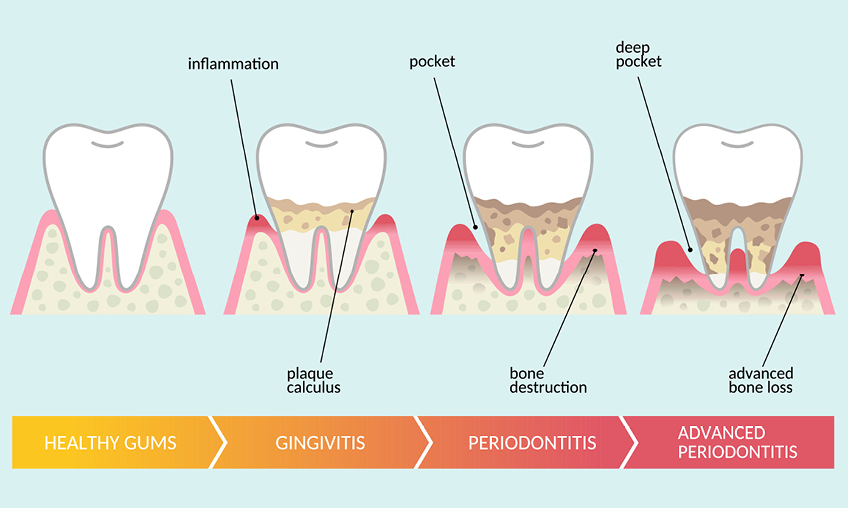
General Oral Health
Know How Gum Disease Happens and How You Can Resist It
Periodontal disease can sneak up on you. It’s never too late or too early to know and address the signs to protect your oral health.
 Preventistry Pulse Image
PREVENTISTRY PULSE
The newsletter designed for anyone who wants to improve oral health for themselves, their families, customers or communities.